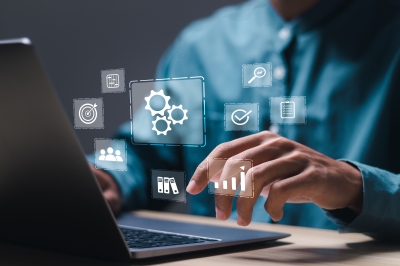
In today's business world, staying competitive requires speed and accuracy. If a few years ago, ERP (Enterprise Resource Planning) systems were just passive warehouses where data was stored and reports were generated, in 2026 this landscape has completely changed. Today, ERP systems play the role of the "thinking brain" of the company. At the heart of this transformation are two main forces: Artificial Intelligence (AI) and Automation.
So what are the main trends in ERP technologies this year and how can businesses benefit from these innovations?
1. Hyper-Automation and Zero-Touch
The era of manual data entry is now behind us. ERP systems of 2026 completely automate daily, repetitive tasks. From processing invoices to creating inventory orders, everything is done automatically, without human intervention. This approach gives employees time to think about advanced strategies and reduces human errors to zero.
2. Predictive Analytics and Smart Decisions
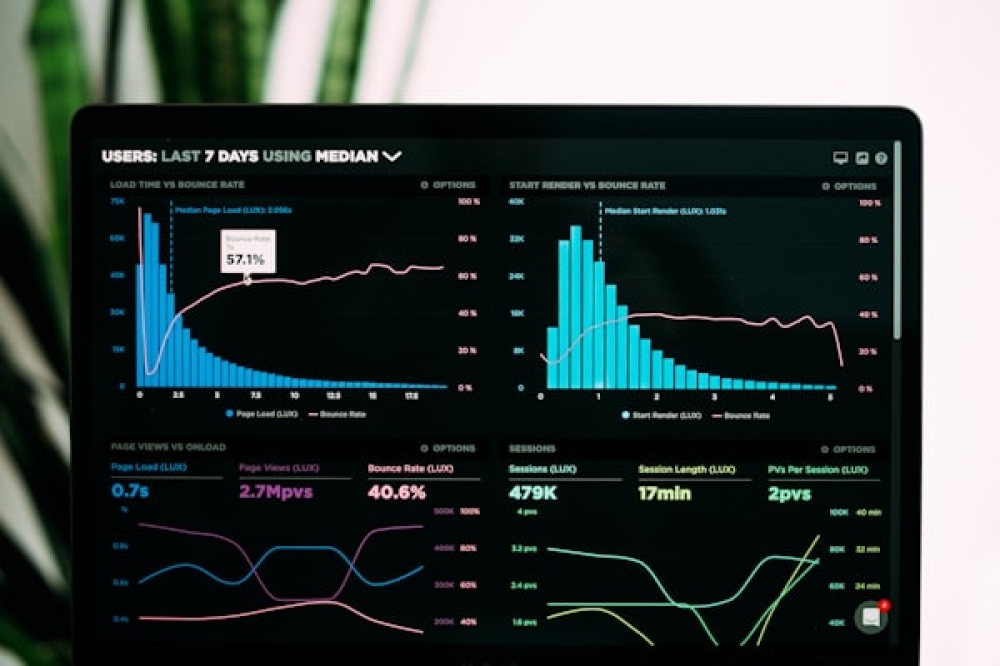
It is not enough to draw conclusions by looking at past data. Thanks to next-generation AI algorithms, ERP systems predict the future. The system predicts possible delays in the supply chain, predicts changes in customer demand and suggests proactive steps to management to minimize financial risks.
3. Natural Language Processing (NLP) and Generative AI Interfaces
You do not have to get lost in complex codes or menus to use ERP systems. Thanks to the integration of generative artificial intelligence, you can communicate with the system as if you were talking to a colleague. For example, with simple sentences like "Graph the highest-grossing products of the last month" or "Update the cost forecast for the coming quarter", you can get instant and detailed answers.
4. Seamless Integration Ecosystem
No system can work perfectly in isolation. The most successful ERP solutions in 2026 are systems that seamlessly integrate with other business applications, cloud services, and external APIs. From CRM to e-commerce platforms, from the HR department to the production line, all data is concentrated and synchronized in a single center. This ensures that all departments of the company move towards the same goal, with the same database.
What is the Result for Businesses?
Investing in ERP systems enhanced with artificial intelligence and automation is no longer a luxury, but a prerequisite for competitiveness. These technologies allow companies to:
Significantly reduce operating costs,
More flexibly respond to market changes,
Increase customer satisfaction.
Proper integration of the system and adaptation to the company's needs is the most critical stage of this process. Businesses that want to be ready for the future must accelerate their digital transformation right now.