
As a business grows, its management requirements change. A company that used to be managed with a few simple spreadsheets eventually faces a larger flow of data and complex operations. Unfortunately, many leaders only realize their old systems are no longer working when they face serious financial losses. So, how do you know it's time to ensure the transition from traditional work methods to a full digital ecosystem
The following 7 signs indicate that your business urgently needs a new management system:
1. Data is Fragmented Across Different Programs
If the sales team uses one program and accounting uses another, synchronizing data takes hours. If all your business processes are not on one platform, getting a real picture of the company is impossible
2. Decisions Are Based on Guesswork, Not Data
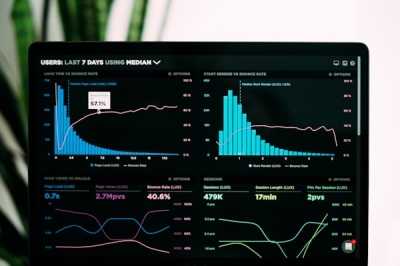
If you cannot instantly see which direction sales are growing or where costs are increasing, there is a serious gap in management. In modern business, instant analytics and reports based on big data take the place of guesswork
3. Continuous Errors in Inventory Tracking
If the actual stock in the warehouse does not match the figures in the system, it's a major red flag. When taking inventory, lot/serial operations, and stock control are done manually, human error is inevitable. WMS (Warehouse Management) systems prevent "hidden losses" by providing precise inventory control with mobile devices (Android/Windows)
4. Approval Processes and Document Workflows are Slow
If approving a contract or an expense takes days, the speed of business drops directly. Through DMS (Document Management), instant searching of documents, acceleration of approval processes, and a digital archive are established
5. Too Much Manual Labor in Accounting and Payments
If your employees are still manually entering bank statements and payments into the system, the time wasted is massive. Thanks to smart integrations, a direct connection is established with e-payment gateways and banks, ensuring the transfer of all payments to main bank accounts with a single click
6. HR and Payroll Calculations are Time-Consuming
As the number of employees increases, the burden on the HR department rises sharply. Automating HR processes from recruitment to payroll calculation not only saves time but also reduces errors in legal calculations to zero via HRM modules
7. Delayed Notifications and Customer Dissatisfaction
Overdue payments or forgotten tasks damage both a business's reputation and its finances. Smart SMS reminders, which automatically warn about any process or payment in advance thanks to advanced technology, show how "alive" and proactive the system is
Conclusion If several of the signs above exist in your company, it means your old systems are hindering your growth. Customizing processes to your industry, simplifying workflows, and gaining full control over operations are only possible with a properly chosen, unified digital platform