In 2026, digital transformation is no longer just about ditching traditional work methods. The role of technology in the global economy has shifted: companies are no longer building separate programs, but rather smart ecosystems that connect all processes. Every business that wants to remain competitive must incorporate the main digital trends happening in the world this year into its strategy. So, what are the core priorities for 2026?
1. Transitioning from Fragmented Systems to a Unified Hub (ERP)
The biggest problem for global companies today is data disconnect. When the sales department uses a different software than the warehouse or finance team, both speed and accuracy are lost. The main trend of 2026 is managing all branches like finance, accounting, purchasing, sales, and production from a single center via Enterprise Resource Planning (ERP) platforms. Integrating Document Management Systems (DMS) and Human Resources (HRM) into these processes simplifies document searches, creates a digital archive, and makes HR operations—from recruitment to payroll calculation—an integral part of the core system.
2. Data Visualization: Business Intelligence (BI)
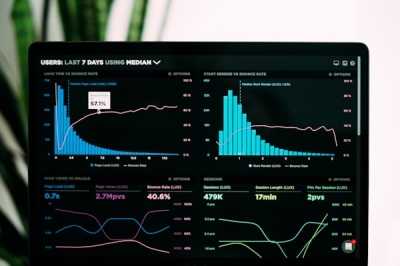
Management based on guesswork is a thing of the past. Leading companies around the world make decisions based on big data and instant analytics. Business Intelligence (BI) tools process massive amounts of data, turning sales, marketing, and financial indicators into understandable visual reports. This approach not only increases the accuracy of decisions but also creates a strong foundation for analyzing suspicious points within the business.
3. Process Automation with No-Code Solutions (BPM)
In the global market, reliance on IT specialists and lengthy coding processes is decreasing. Companies worldwide prefer Business Process Management (BPM) platforms. For example, tools like L-Flow, used in modern management, allow for the automation of business processes and task tracking without the need for coding. As a result, team productivity increases significantly thanks to fast and effective workflows.
4. Integrating Global Solutions into the Local Ecosystem
When building world-class systems, local realities cannot be ignored. The programs used by a business must work in full compliance with the payment and tax systems in the domestic market. Behind a successful digital infrastructure are e-solutions that fully comply with national accounting requirements, such as electronic invoicing, tax-cash registers, and VAT offsetting. At the same time, the direct integration of payment systems like E-manat, MilliÖn, Hesab.az, and banks into the main database ensures that all payments are transferred to bank accounts with a single click.
Conclusion What does digitalization bring to your business in 2026? First and foremost, it brings industry compliance, simplified workflows, and full control over operations. The sooner companies build this unified digital ecosystem, the more agile they will be in responding to changing market conditions by transforming complex processes into easy ones.